
Objective of the NQAS Support in Bhavnagar
IPSI’s support for the National Quality Assurance Standards (NQAS) in Bhavnagar district aims to strengthen the quality of primary healthcare services by building the capacity of healthcare providers, improving adherence to NQAS standards, and promoting a culture of continuous quality improvement across public health facilities. This is achieved through structured mentoring, supportive supervision, technical assistance, and capacity building to help facilities achieve and sustain NQAS certification.
Overview of the Support Activities in Bhavnagar
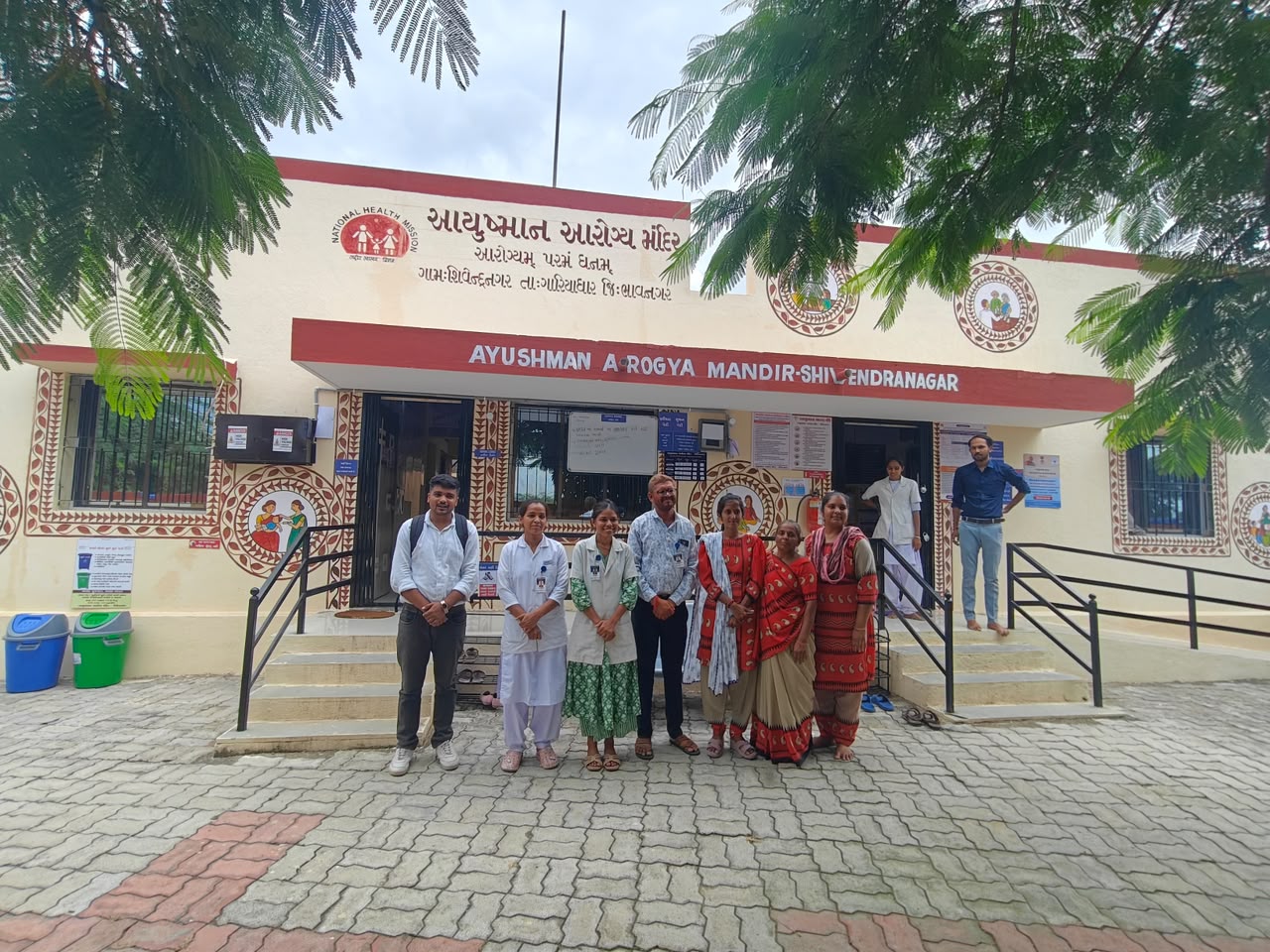
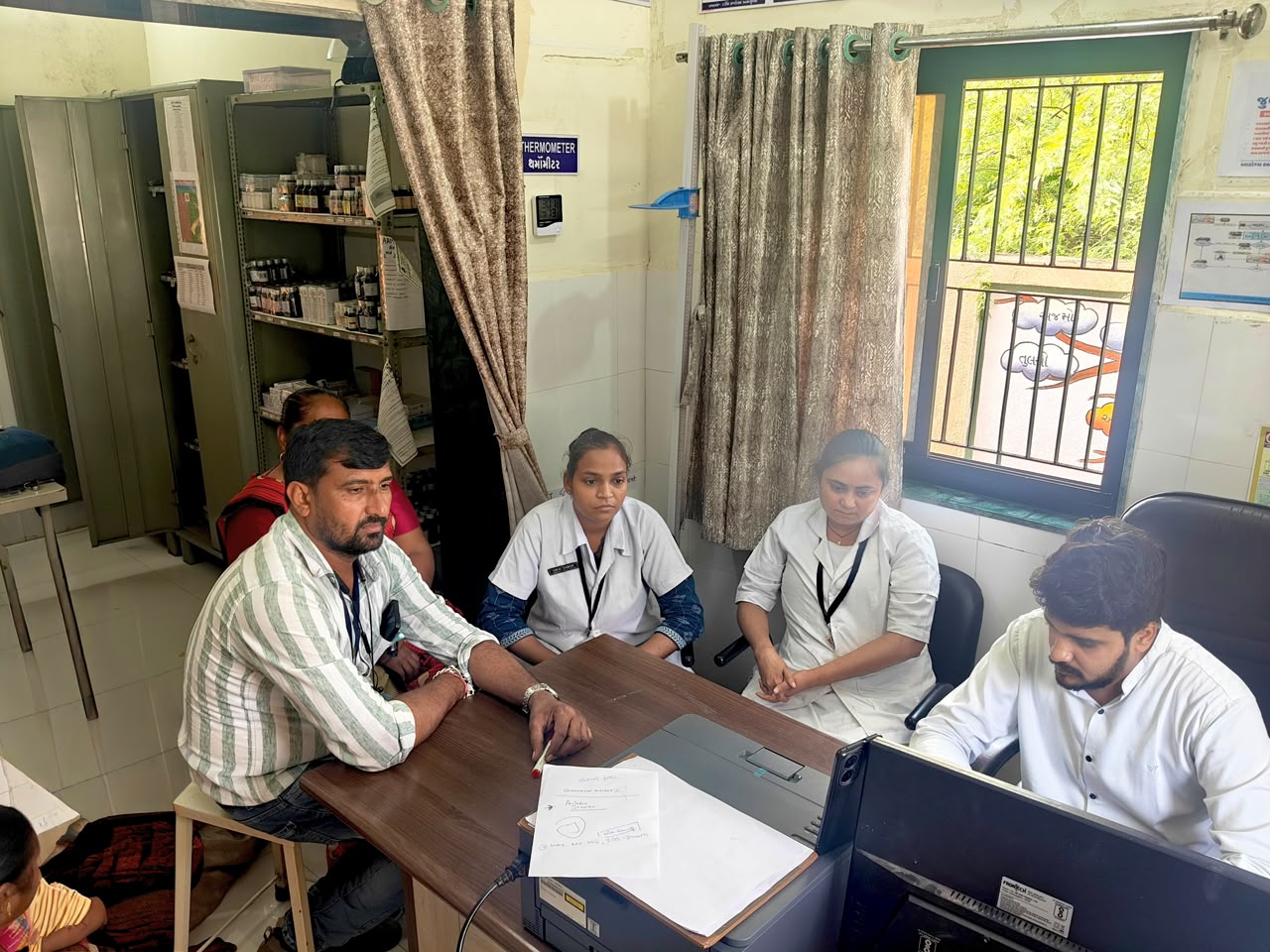
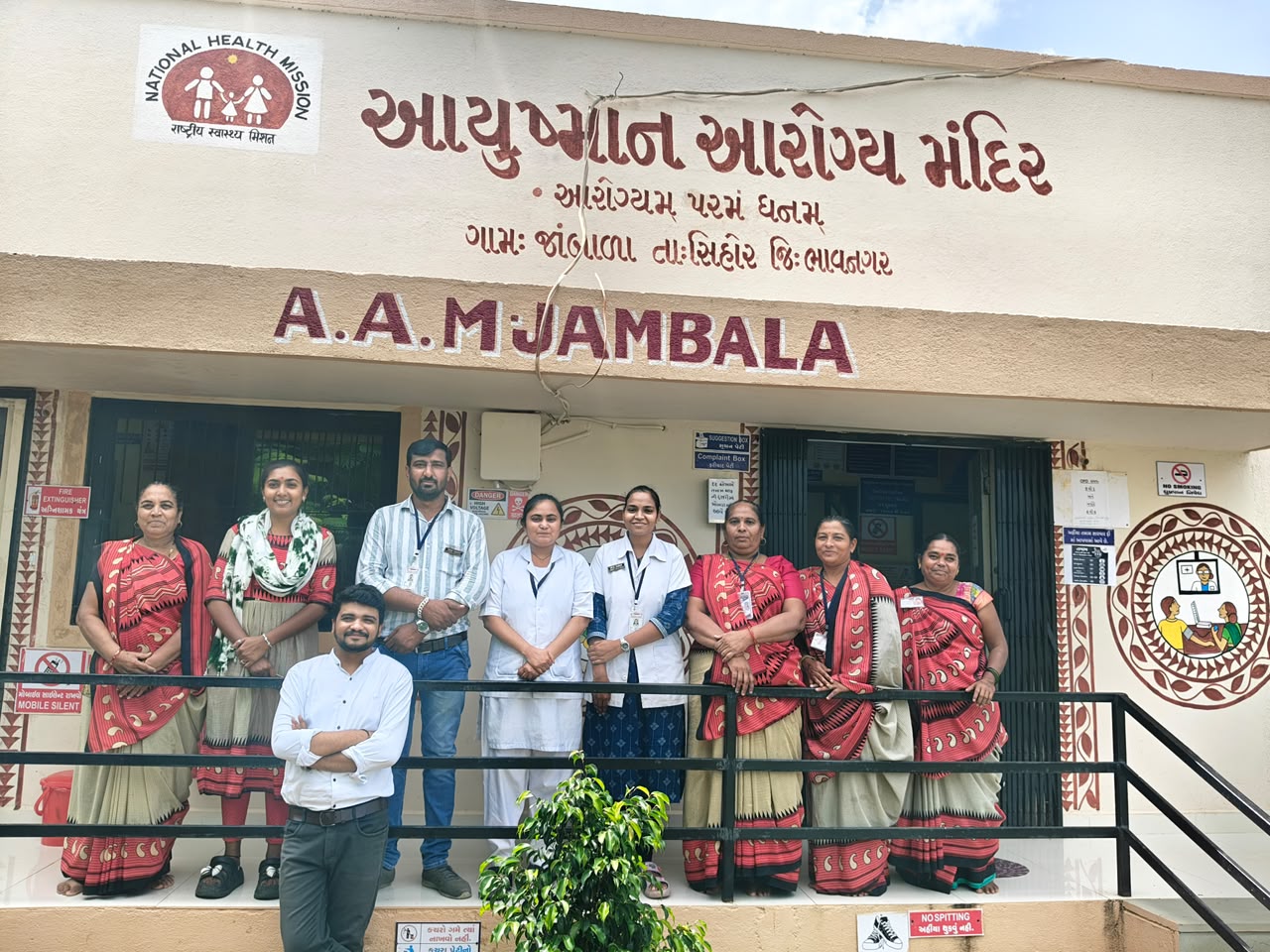
IPSI has been providing technical support to the District Health Administration for the implementation and strengthening of NQAS across Ayushman Arogya Mandir–Sub Centres (AAM-SCs), Primary Health Centres (PHCs), and Urban Primary Health Centres (UPHCs) in Bhavnagar district. Support began with baseline NQAS gap assessments to identify deficiencies related to infrastructure, infection prevention and control, biomedical waste management, documentation, equipment, service delivery, and quality management systems. Based on these findings, regular mentoring visits and supportive supervision were conducted to help facilities address gaps and improve compliance with NQAS standards.
Capacity-building programmes were organized for Medical Officers, Community Health Officers (CHOs), Staff Nurses, ANMs, and other frontline healthcare workers on the National Quality Assurance Standards, measurable elements, and assessment methodology. Orientation and refresher sessions covering all eight themes (Sections A to H) of the NQAS checklist were conducted for Sub Health Centre teams, with live demonstrations reinforcing practical implementation at the facility level.
Training and on-site demonstrations covered:
- Infection Prevention and Control (IPC) and Biomedical Waste Management
- Hand hygiene (WHO Five Moments) and PPE donning and doffing
- Blood and mercury spill management, and needle-stick injury management
- Preparation and use of sodium hypochlorite solution
- Fire safety and fire extinguisher use
- The three-bucket mopping technique
- Basic CPR awareness
- Quality improvement tools and documentation practices
- Prescription audits, Key Performance Indicators (KPIs), and patient satisfaction surveys
Mock assessments and facility walkthroughs familiarized healthcare teams with the NQAS assessment process, helped identify gaps ahead of external assessments, and supported development of corrective action plans. IPSI also supported facilities in strengthening documentation, including systematic maintenance of registers, standard operating procedures (SOPs), IEC materials, signage, quality records, and evidence files required for NQAS assessments.
Support was further extended through participation in Kayakalp assessments, focusing on cleanliness, infection prevention practices, biomedical waste management, environmental hygiene, and workplace safety. IPSI worked closely with the District Quality Assurance Team (DQAT), District Quality Medical Officer (DQMO), CDHO office, Medical Officers, and facility teams to review progress, monitor quality indicators, and strengthen district-level quality improvement initiatives.
Output
Since the initiation of IPSI support in Bhavnagar district, technical mentoring and quality improvement support have been provided to 49 Ayushman Arogya Mandir–Sub Centres (AAM-SCs). More than 40 of these facilities have achieved NQAS certification.