

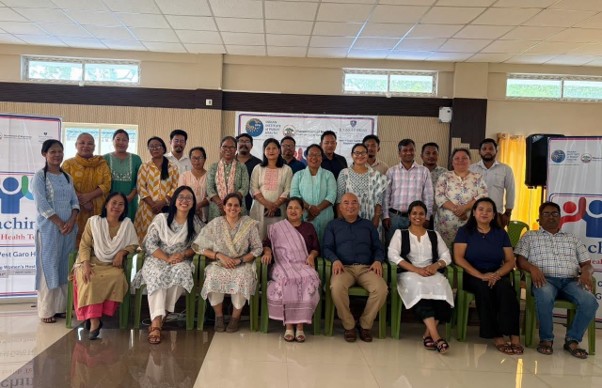
Following the successful delivery of Module 5 across all 27 HWCs, IPSI conducted the final round of coach training in Tura, West Garo Hills, from 15th to 17th April 2026.
Admin
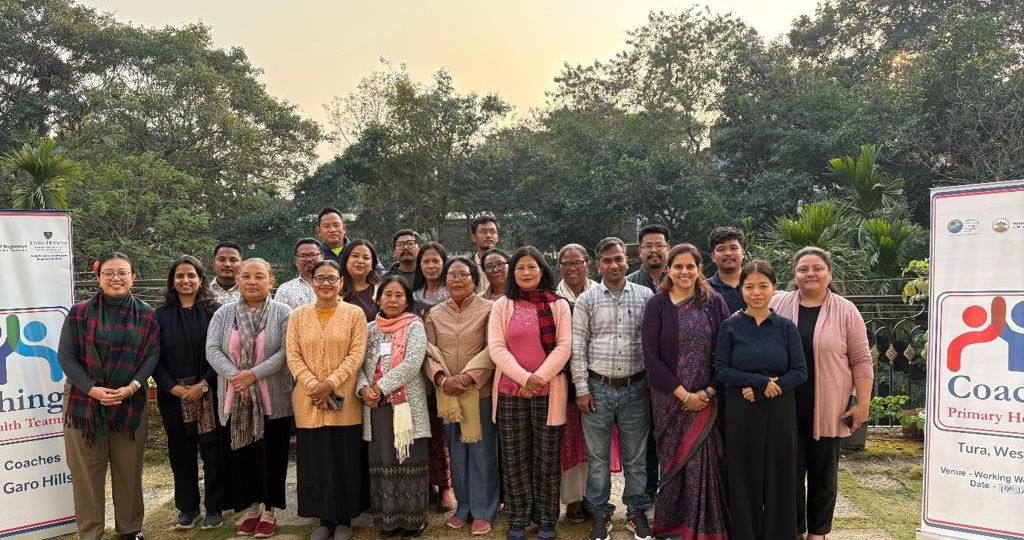
Building on Phase I of the Coaching Program for primary health teams, IPSI conducted the Coaching Program Phase II Training in Tura, West Garo Hills, in January 2026, to further strengthen the coaching approach among mentors.
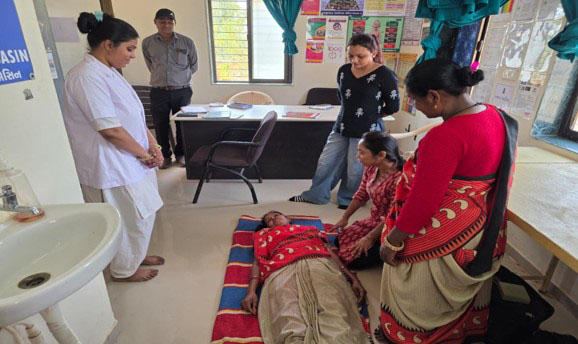
The statewide scale-up of the SATHI initiative has recently concluded, comprising six rounds of training, with each round covering one module per month. The training followed a cascade model, with content flowing from the state to region to district level, and finally delivered as mentoring sessions at the AAM level.
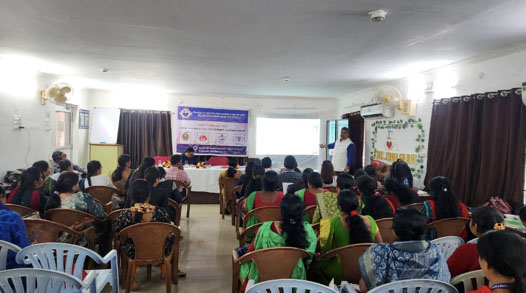
A training and orientation on the NP-NCD portal, combined with a review-cum-orientation on the ACT-QI intervention, was held on 7th February 2026 at CHC Junagarh, Kalahandi, Odisha.
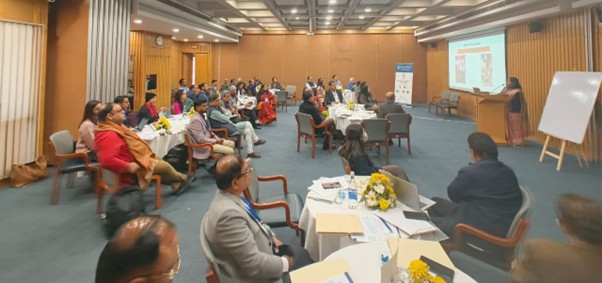
The key objective of the India Primary Healthcare Support Initiative (IPSI) is to strengthen the district primary health care systems and processes. Recognizing that strong district health systems need program managers with the relevant competencies to carry out their functions, IPSI has worked on a competencybased
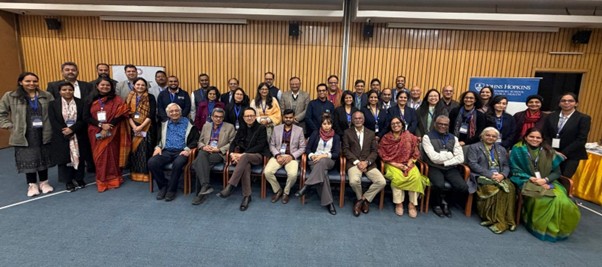
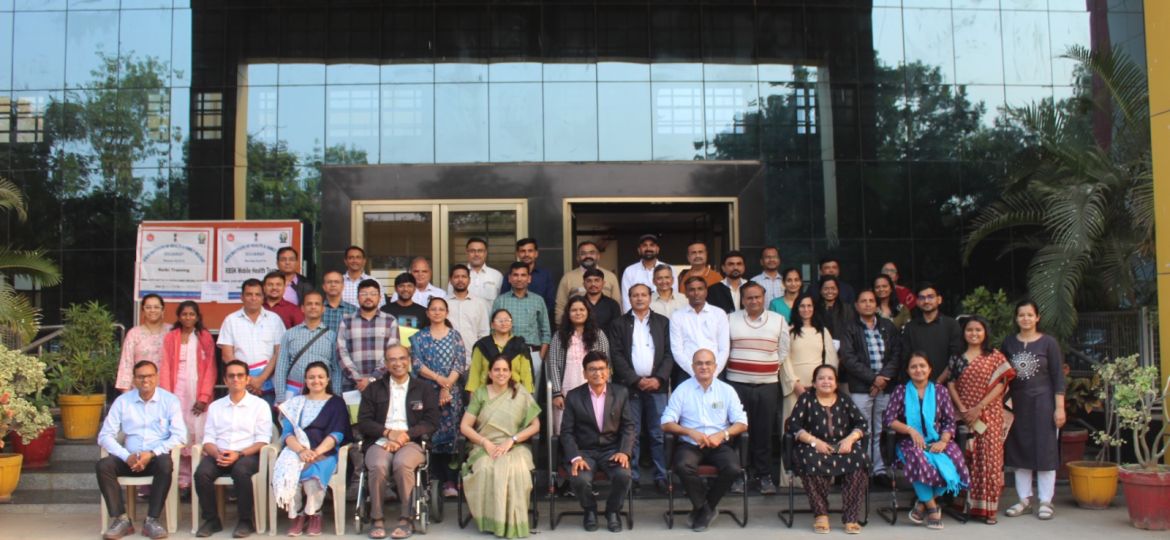
IPSI convened a national consultative workshop on January 12, 2026, to refine and validate the core competencies drafted based on formative work. The workshop brought together national-level experts from multiple states and administrative levels, representing government, academic institutions, non-governmental organizations.
Under the Ayushman Bharat- Health and Wellness Centre (HWC) initiative, primary health care facilities are mandated to deliver 12 service packages aimed at extending comprehensive health services to communities. Ensuring that HWCs are ready to deliver these services is essential to make progress towards universal health coverage.
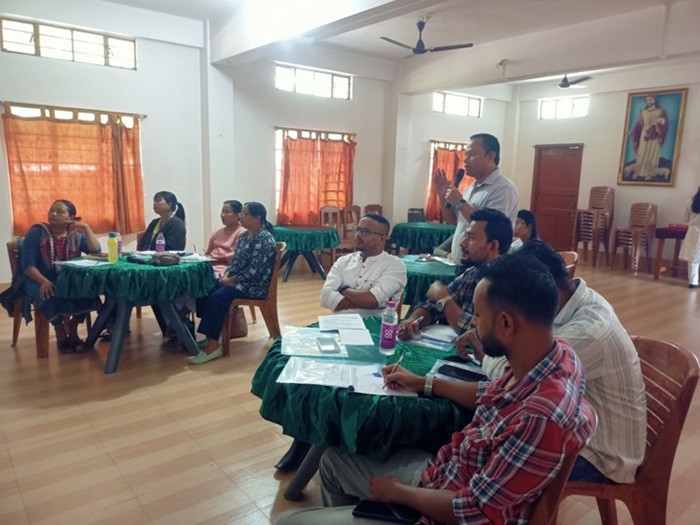
The District Comprehensive Primary Health Care (CPHC) Strengthening Workshop was conducted in Tura from 12–14 November 2025 with the objective of strengthening participants’ understanding of CPHC and its core principles.
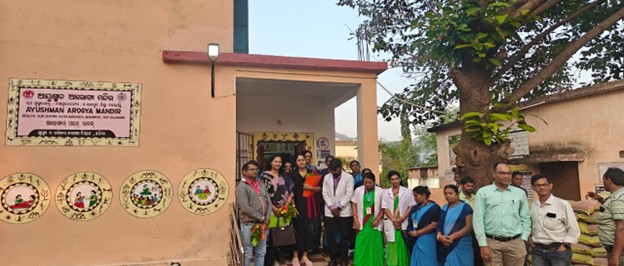
Better quality of care (QoC) at primary health care facilities is essential for India to achieve Universal Health Coverage . Over the past decade, several national quality initiatives including the National Quality Assurance Standards (NQAS), Kayakalp, and Labour room quality improvement initiative (LaQshya) have been launched to standardize and elevate quality in healthcare delivery.
A consensus set of knowledge, skills, and attitudes needed for the practice of public health are considered competencies. Core competencies are the consensus set of knowledge, skills, and attitudes that each public health worker should possess to effectively deliver essential public health functions in a certain context.